A prototype should answer important questions before you commit to tooling or full production.
Will the material perform correctly? Does the part fit? Can the design be manufactured efficiently? Are revisions needed before quantities increase?
CUPPS combines material knowledge, engineering support, and flexible prototype manufacturing capabilities to help customers answer those questions earlier.
We support:
Concept parts
Engineering revisions
First articles
Replacement components
Short production runs
Because no single manufacturing process is right for every application, CUPPS evaluates the material, geometry, tolerance, quantity, and intended use before recommending an approach.
The result is a more practical path from an electronic drawing to a reliable production component.
Rapid Prototyping Capabilities
Die & Dieless Cutting
The Right Cutting Process for Your Application
Whether developing a prototype, producing a short run, or manufacturing larger quantities, choosing the right cutting process can make a significant difference in cost, lead time, and part consistency.
Cupps offers both traditional die cutting and dieless cutting capabilities, allowing us to help customers select the most practical manufacturing method based on material, part geometry, tolerances, and production quantities.
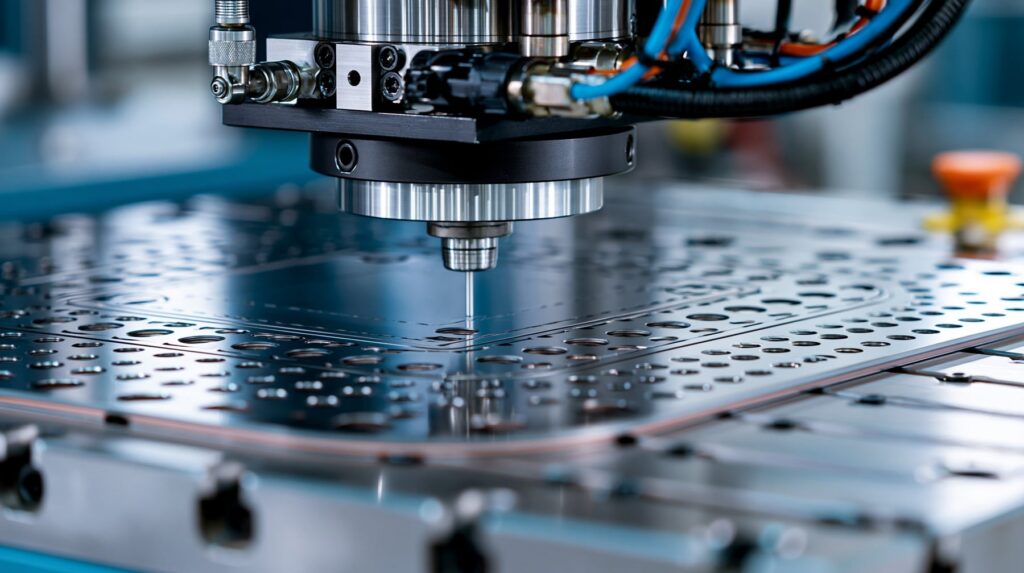
Dieless cutting provides flexibility for prototypes, design changes, and shorter production runs without the expense of dedicated tooling. Traditional die cutting can offer greater efficiency and lower per-part costs for established designs and recurring production requirements.
From custom gaskets and seals to insulation, spacers, washers, and other specialty components, Cupps combines material knowledge and manufacturing experience to help customers move from prototype to production.
Customer Benefits
Reduce tooling costs during prototyping and design changes
Improve production efficiency and repeatability
Lower per-part costs on suitable higher-volume applications
Support both short-run and recurring production requirements
Select the most economical cutting process for the application
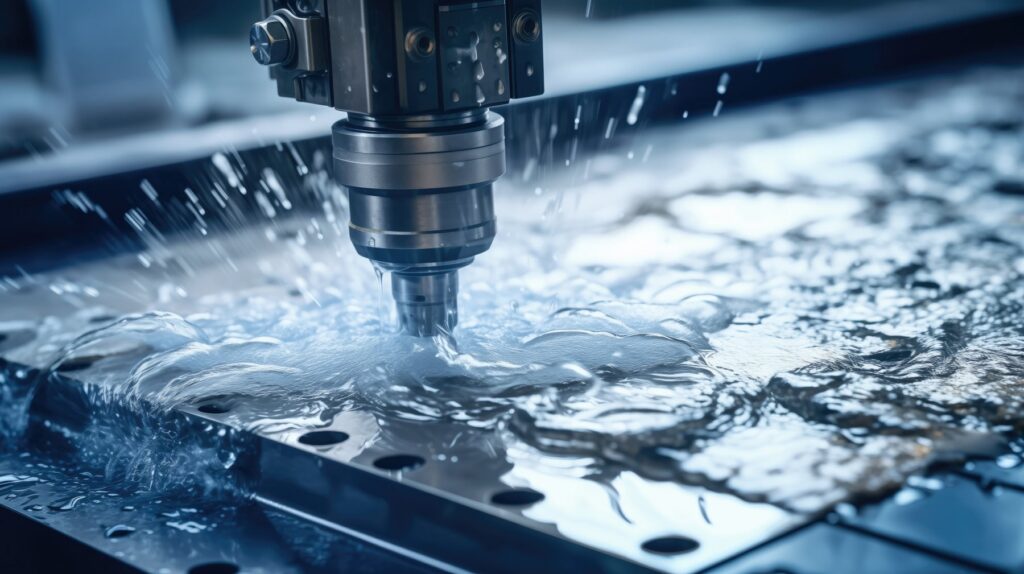
Waterjet cutting uses a focused, high-pressure stream to create complex shapes without introducing a heat-affected zone.
For materials that may melt, harden, distort, or otherwise change when exposed to heat, this can help preserve the material’s original properties.
Waterjet cutting can be well suited for thicker:
Rubber
Plastics
Graphite
Composites
Insulation
Foam
Gasket materials
CUPPS evaluates the material thickness, tolerance, edge requirements, geometry, and production quantity to determine whether waterjet cutting offers the appropriate combination of performance, accuracy, and cost for the application.
Customer Benefits
Protect heat-sensitive material properties
Produce thicker and complex components without hard tooling
Reduce distortion, melting, and heat-related material damage
Efficient Production of Detailed, Repeatable Profiles
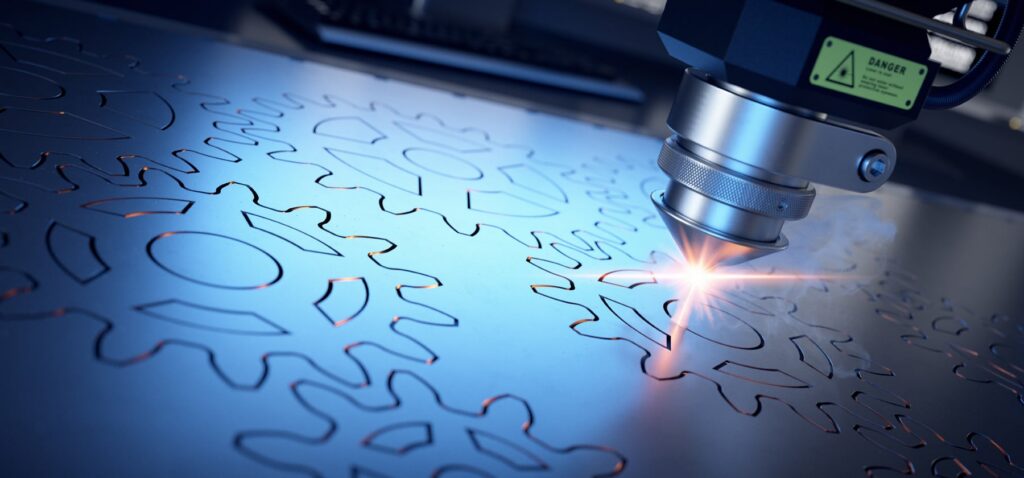
Laser cutting can produce intricate profiles with speed, clean edges, and consistent dimensions.
The process can be especially valuable when a component includes fine details or when repeatable production is more important than investing in dedicated tooling.
Selecting laser cutting, however, requires more than looking at the geometry.
CUPPS evaluates:
Material type
Material thickness
Tolerance
Edge condition
Geometry
End-use requirements
Production quantity
We help determine when laser cutting offers the right combination of accuracy, turnaround, and production efficiency — and when another cutting method may better protect the material or finished component.
Customer Benefits
Produce detailed geometries with consistent dimensions
Accelerate prototype and recurring production requirements
Reduce secondary finishing when appropriate
Match the cutting process to the material and application
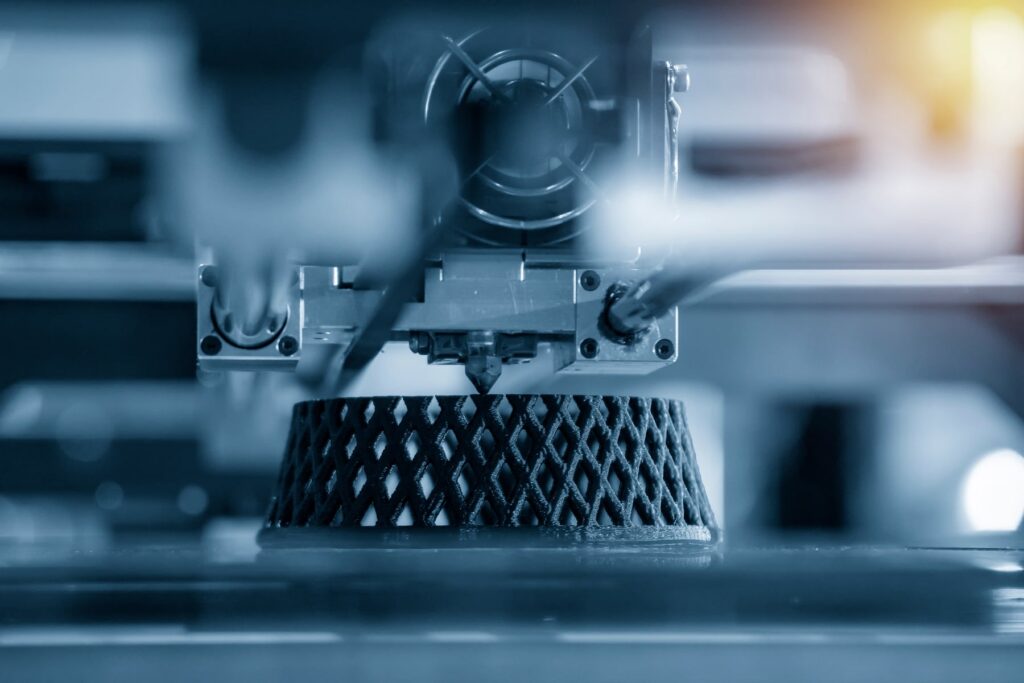
A design that looks correct on a screen can reveal fit, clearance, assembly, or usability concerns once it becomes a physical component.
3D printing gives customers a fast way to evaluate those details before investing in tooling or committing to the final manufacturing process.
CUPPS can support:
Concept models
Prototype components
Fixtures
Tooling aids
Selected low-volume requirements
Depending on the application, the printed part may function as the finished component or serve as an early step toward CNC machining, fabrication, molding, or another production method.
Customer Benefits
Confirm fit, form, and assembly clearances earlier
Identify design improvements before investing in tooling
Produce concept and functional prototypes quickly
Create a practical bridge between digital design and production